A sudden toothache, broken tooth, or swelling in the mouth can make it difficult to know what to do next. A dental clinic in Victoria can assess the problem and help determine whether urgent dental care is needed. Some dental problems can wait for a regular appointment, while others should be checked as soon as possible. Knowing the warning signs can help prevent a small problem from becoming more serious. Severe pain, bleeding that does not stop, facial swelling, or a knocked-out tooth are examples of problems that may need prompt attention. Quick assessment can also help identify the cause of the problem and determine the appropriate treatment.
What Signs May Mean a Dental Emergency?
Some symptoms need urgent dental attention, especially when they appear suddenly or become severe. A dental emergency in Victoria may include:
- Severe or ongoing tooth pain
- A knocked-out permanent tooth
- A badly broken or cracked tooth
- Bleeding that does not stop
- Swelling around the face, jaw, or gums
- A dental injury caused by an accident
- Signs of infection, such as swelling with fever
Not every toothache is an emergency, but severe or rapidly worsening symptoms should be assessed promptly.
Severe Tooth Pain
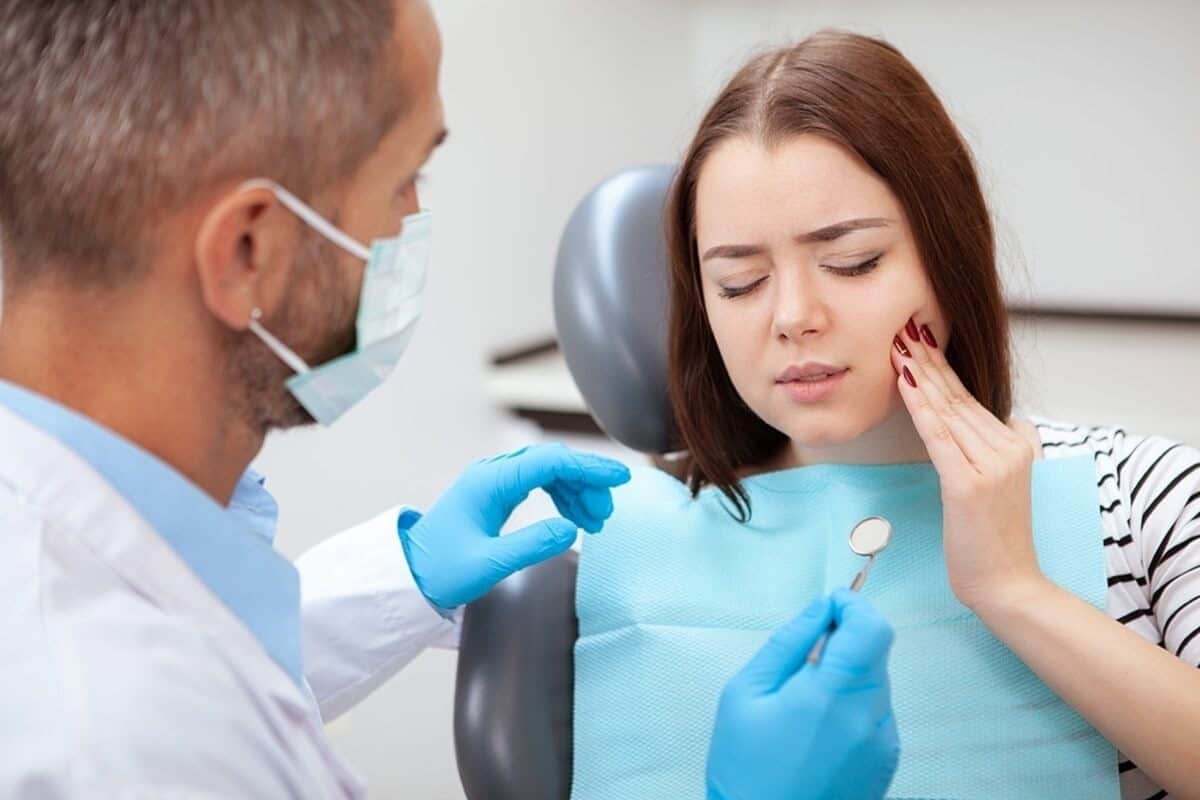
Strong tooth pain that does not improve may be a sign of decay, infection, a crack, or another dental problem. Pain that makes it difficult to sleep, eat, or carry out normal activities should not be ignored.
A dental clinic near you can assess the tooth and check what may be causing the pain. Treatment depends on the condition of the tooth and surrounding tissues.
Swelling or Signs of Infection
Swelling around a tooth, gum, jaw, or face can sometimes occur with a dental infection. Other signs may include a bad taste in the mouth, pus near the gums, fever, or increasing pain.
Dental infections can become more serious if they are not treated. Urgent dental assessment is especially important when swelling is increasing or affecting the face.
A Knocked-Out or Broken Tooth
A knocked-out permanent tooth needs urgent dental care. Pick it up only by the crown, which is the part you normally see in the mouth. Do not touch or scrub the root, as this may damage the delicate tissues on it.
If possible, keep the tooth moist while seeking urgent dental care. A badly broken or cracked tooth should also be checked promptly, particularly if there is significant pain or bleeding.
Bleeding That Does Not Stop
Small amounts of bleeding can happen after some dental injuries. However, bleeding that continues despite gentle pressure may need urgent attention.
Place clean gauze or a clean cloth over the area and apply gentle pressure while arranging dental care. Heavy or ongoing bleeding should not be ignored.
Dental Injuries After an Accident
A fall, sports injury, or other accident can damage teeth, gums, or the jaw. Even if the pain seems mild, an examination may be needed when a tooth has moved, cracked, loosened, or changed position.
A dental emergency in Victoria may require prompt assessment after an injury to reduce the risk of further damage and determine whether treatment is needed.
When Is It Not an Emergency?
Some dental concerns may not require immediate care. For example, mild tooth sensitivity, a small stain, or a minor dental concern without pain or swelling may be suitable for a regular appointment.
However, symptoms can change. If pain becomes severe, swelling develops, or a dental injury occurs, the need for urgent assessment may change.
What Should Be Done While Waiting for Care?
Until a dental appointment is available:
- Avoid chewing on the painful side.
- Rinse the mouth gently with warm water if appropriate.
- Use a cold compress on the outside of the cheek for swelling.
- Do not place aspirin directly on the gums or tooth.
- Follow appropriate first-aid advice after a dental injury.
- Seek urgent medical care if swelling affects breathing or swallowing.
A dental emergency near you should be assessed promptly when severe symptoms are present, rather than relying only on home care.
Get Urgent Help When Your Smile Needs Attention!
Dental problems can worsen when care is delayed. If severe pain, swelling, bleeding, or a dental injury occurs, arranging an assessment can help identify the problem and determine the next step.
For urgent dental concerns, contact Academy Dental to arrange an assessment and discuss the care that may be needed.
FAQs
How do you know if a toothache is an emergency?
Severe, constant, or worsening tooth pain may need urgent dental attention, especially when it occurs with swelling, fever, bleeding, or difficulty eating.
Is a broken tooth always a dental emergency?
Not every broken tooth requires emergency care. Seek prompt evaluation for a badly broken tooth, severe pain, bleeding, or an injury involving the face or jaw.
What should you do if a permanent tooth falls out?
Handle the tooth by the crown, avoid touching the root, keep it moist, and seek urgent dental care. Acting quickly may help with treatment options.
Can a dental problem cause facial swelling?
Yes. Swelling of the face or jaw can occur with some dental infections or injuries. Increasing swelling should be assessed promptly.