
The A – Z of Veneer Care: Keeping Your Veneers White for Life

The A – Z of Veneer Care: Keeping Your Veneers White for Life

The A – Z of Veneer Care: Keeping Your Veneers White for Life

Veneer Care

Investing in porcelain veneers means investing in a beautiful smile for life, but only if you treat them well. Just like your actual teeth, veneers are susceptible to damage and discolouration. Here are the top tips the professionals from our Victoria team recommend to make sure your veneers always look as good as the first day you got them.

  • We know they taste delicious, but try to stay away from foods like tea and coffee, red wine, cola, soy sauce, and curry powders such as turmeric. The bonded material in veneers will gradually absorb pigmentation from these treats in much the same way natural teeth will. If you need to drink a soda, use a straw to help minimize contact with your new smile.
  • Make sure to use a soft bristled toothbrush and a non-abrasive toothpaste. Certain products can damage the polish on your veneers and damage their appearance.
  • While veneers are durable, they are not as strong as your natural teeth. Chomping down hard on ice, hard candy, pens or hairpins could cause veneers to crack and break. If you have been known to clench or grind your teeth (bruxism) your dentist can fit you with a nightguard to wear while you sleep to reduce the impact on your veneers. Always wear a mouthguard when playing high impact sports that could put your veneers at risk.
  • Stay away from cigarettes. Smoking will cause irreversible discolouration to your veneers (and doesn’t do much for your breath either)

Academy Dental are the leading experts in cosmetic and general dentistry in Victoria, BC. View our website now to make an appointment in one of our 4 convenient Victoria locations.

What are Dental Sealants?

What are Dental Sealants?

What are Dental Sealants?

Thanks to the different foods that we eat, our teeth are prone to many forms of tooth decay which destroys our teeth and in turn will require expensive procedures. Don’t you just wish there was a way to protect the crevices of our teeth and prevent the growth of bacteria and germs? Well, dental sealants do just that. Dental sealants are plastic coverings that go over the part of the tooth that’s exposed or used when chewing or biting food.

Dental sealants, available at Academy Dental, have the ability to protect your teeth from food, germs and bacteria from being stuck on the pits and slits on the biting surface of the teeth. If not dislodged through brushing and/or gargling, the germs can develop into tooth decay and destroy the tooth in time. Dental sealants are barely noticeable once added onto the teeth and is usually used for the teeth located in the back of the mouth like the molars.

Dental sealants are also applicable for children and adults. As long as the tooth is mature enough or is in the ideal condition for the sealant, this is a viable form of teeth protection. This is because dental sealants can last for up to 10 years before needing to be replaced. This is perfect for kids so that parents minimize the costs of dental procedures for the child’s milk teeth, and a good option for adults who do not like to worry about dental problems too much.

There are even dental organizations that recommend the application of dental sealants for adults because it is so effective in protecting the teeth. However, it is also good to point out that dental sealants are not a valid excuse to stop brushing teeth, flossing and rinsing. The sealants work hand in hand with regular dental hygiene regimens to maintain a person’s oral health.

To see if dental sealants will work for you, best to consult the dental professionals at Academy Dental so that you can get an expert opinion and recommendation for your dental health. Contact us today!

Braces for Children: What Are the Basics?

Braces for Children: What Are the Basics?

Braces for Children: What Are the Basics?

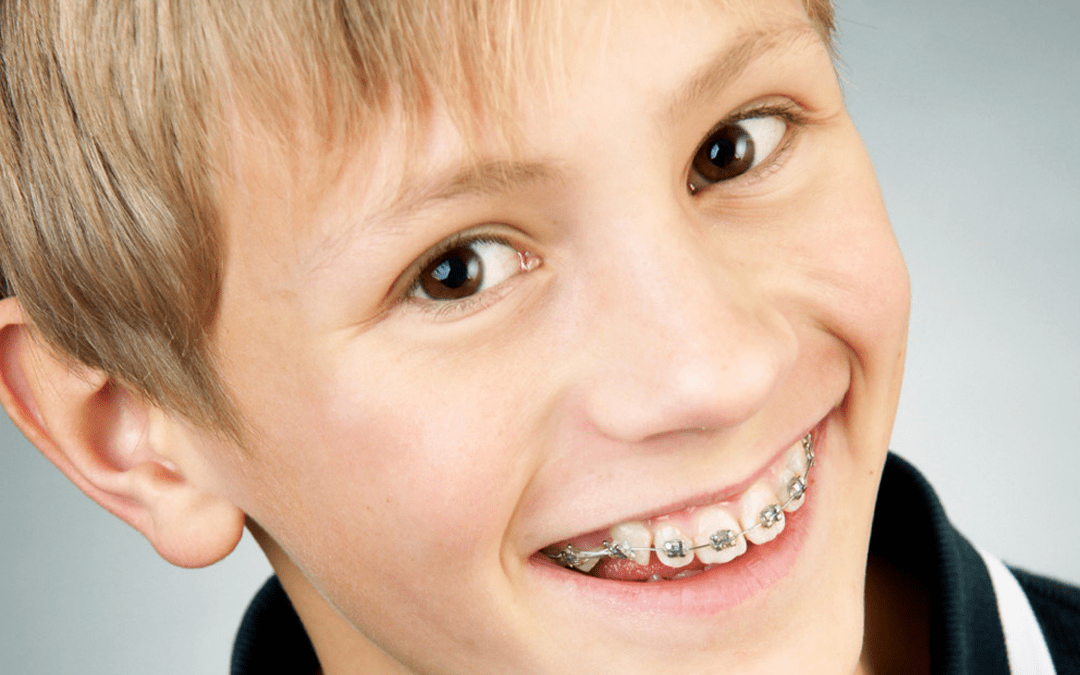
At what age should your child get braces? The American Association of Orthodontists recommends that children have their first visit with an orthodontist at age 7 as a good way of predicting whether or not braces will be required in the future. Although children are rarely fitted with braces until an average of about 10-14 years old, by age 7 their back teeth (molars) are established. From these molars, an orthodontist at Academy Dental in Victoria, BC can predict many potential bite problems. The types of braces for children that may eventually be recommended by an orthodontist will depend on the type of bite issue each individual child may have. Some children with bite problems may end up having only upper or lower braces, while others may require both.

Children’s metal braces are always bonded to clean, dry teeth. Bonding primer is placed on the teeth before the wire brackets are attached with composite cement. Next, the orthodontist will attach the teeth straightening wires by placing a section of wire into the slot on each bracket. A metal or elastic tie holds the wire in the slot in these traditional braces for children. Newer types of braces don’t require the ties. Invisalign, which is a type of clear plastic and nearly invisible braces, is a popular choice today — especially for teens and adults who don’t want the obvious look of metal wires on their teeth.

A good thing to keep in mind when children first get braces is that it may take kids time to get used to them. Keep on the look out for places where wires on braces for children may have come loose as sores may develop in the mouth due to wire irritating the inner cheeks. Often, simple solutions such as adding a pea-sized ball of wax or cotton over the protruding wire, can solve the problem. To learn more about children and braces or to book a first check up appointment for your 7-year-old, call the team at Academy Dental in Victoria, BC soon.

Children should have their first screening by an orthodontist at age 7. This is the best age to predict if future braces will be needed to correct any bite problems. FOR META DESCR.

Top 3 Child Dentistry Tips

Top 3 Child Dentistry Tips

Top 3 Child Dentistry Tips

Child Dentistry Tips

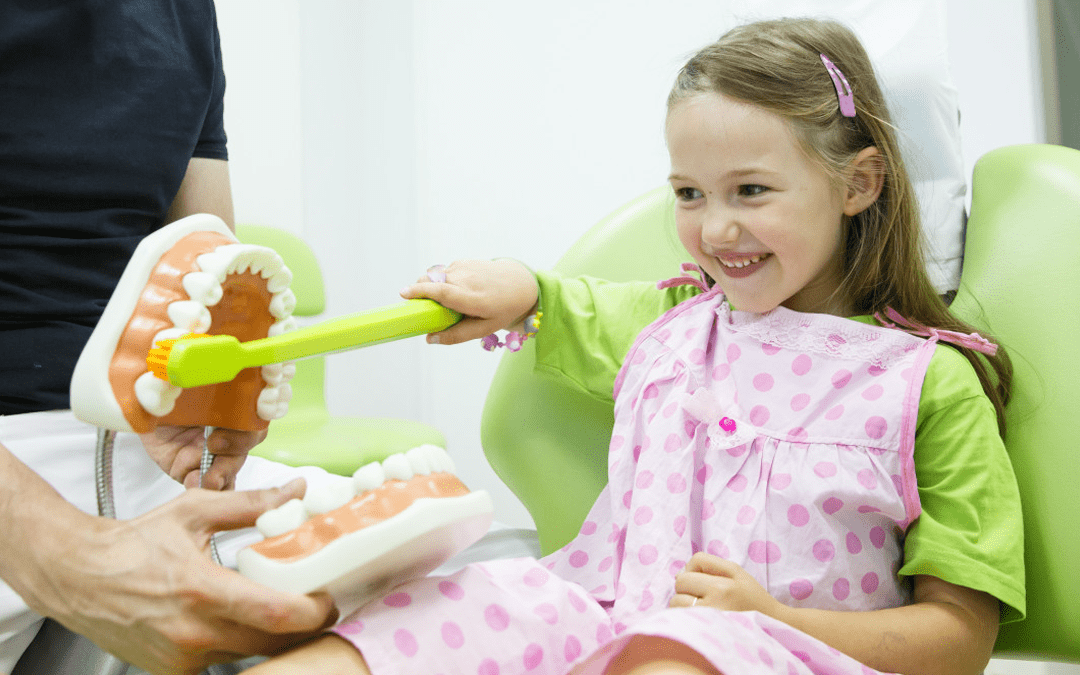
A visit to the dentist can be a stressful, even frightening experience to some adults. If the patient who needed to have their teeth checked was a young kid, they may be even more scared. The sound of the drill and the alien-looking tools used in the dentist’s office can send awful and scary ideas to a child. This will make things more difficult for the dentist as the kid will tend to be more apprehensive when it comes to getting their teeth checked.

First Child Dentistry Tip is to get the parents involved and introduce dental hygiene to the child early on. Teach them how to properly brush their teeth, how to carefully floss and rinse their mouths. Parents should also take the kid to the dentist’s office when going in for a checkup or procedure. This is so that the child becomes familiar and comfortable with the surroundings of a dentist’s office. It will also reduce any anxiety they may have a more accepting and relaxed state if they see you in a happy disposition and that there’s nothing to be worried about visiting the dentist.

Second child dentistry tip is to ensure that the surroundings of the dentist’s office resemble a home or have play areas. Cold plain white walls and quiet waiting rooms are not conducive to relaxation. Add color and introduce entertainment into the office. This allows the child to have fun at the office instead of worrying about any treatment. A warm and light atmosphere in the dentist’s office is important and allows the child to be less tense.

The third dentistry tip is to constantly communicate with the child. Talk to the kid by sharing stories and explaining the procedure in a way they can easily understand. Kids become afraid because they don’t know what you’re doing in their mouth, explain to them what you are doing and reinforce their cooperation by giving them verbal praises and positive reinforcement. This method will help you gain the child’s trust faster and easier.

There are many child-friendly dentists out there. Contact Academy Dental and get to know the dentists so you and your child will have a stress free checkup from now on.

Getting to The Root of the Problem: What is Root Canal Therapy?

Getting to The Root of the Problem: What is Root Canal Therapy?

Getting to The Root of the Problem: What is Root Canal Therapy?

Have you been told that you require root canal therapy? It’s important to understand what root canal therapy involves so you don’t feel any unnecessary stress when you come to Academy Dental in Victoria and Sooke, BC for the actual procedure. Stress can make your experience at the dentist far more difficult than it actually has to be.

What is a Root Canal?

The Root Canal is the name for the space within the root of the tooth, it is a hollow area that contains soft tissues (the pulp and nerves). The number of these hollow canals (one to four) in a tooth depend on the type of tooth and the pulp nourishes and hydrates the tooth.

Why do you need Root Canal Therapy?

However, if your dental pulp is exposed, through a cavity or fracture, or becomes infected (abscessed) for any reason, it will likely require root canal therapy to allow you to actually keep the tooth instead of extracting it. These days, root canal therapy is relatively pain- and stress-free and can be done in as little as one appointment.

What to do if you need Root Canal Therapy?

Contact our dental office in Victoria and Sooke, BC if you have any questions about root canal therapy or if you would like to book an appointment.

For more information, contact us today!

778-561-4586