Do you wake up with a tight jaw, sore temples, or a dull headache that fades by mid-morning? Many people assume this comes down to stress, poor sleep, or too much screen time. Sometimes it does. Other times the cause sits inside your mouth, in the way your upper and lower teeth meet. That is why a dentist in Victoria may suggest a simple diagnostic appliance called a Kois deprogrammer before making any decisions about treatment.
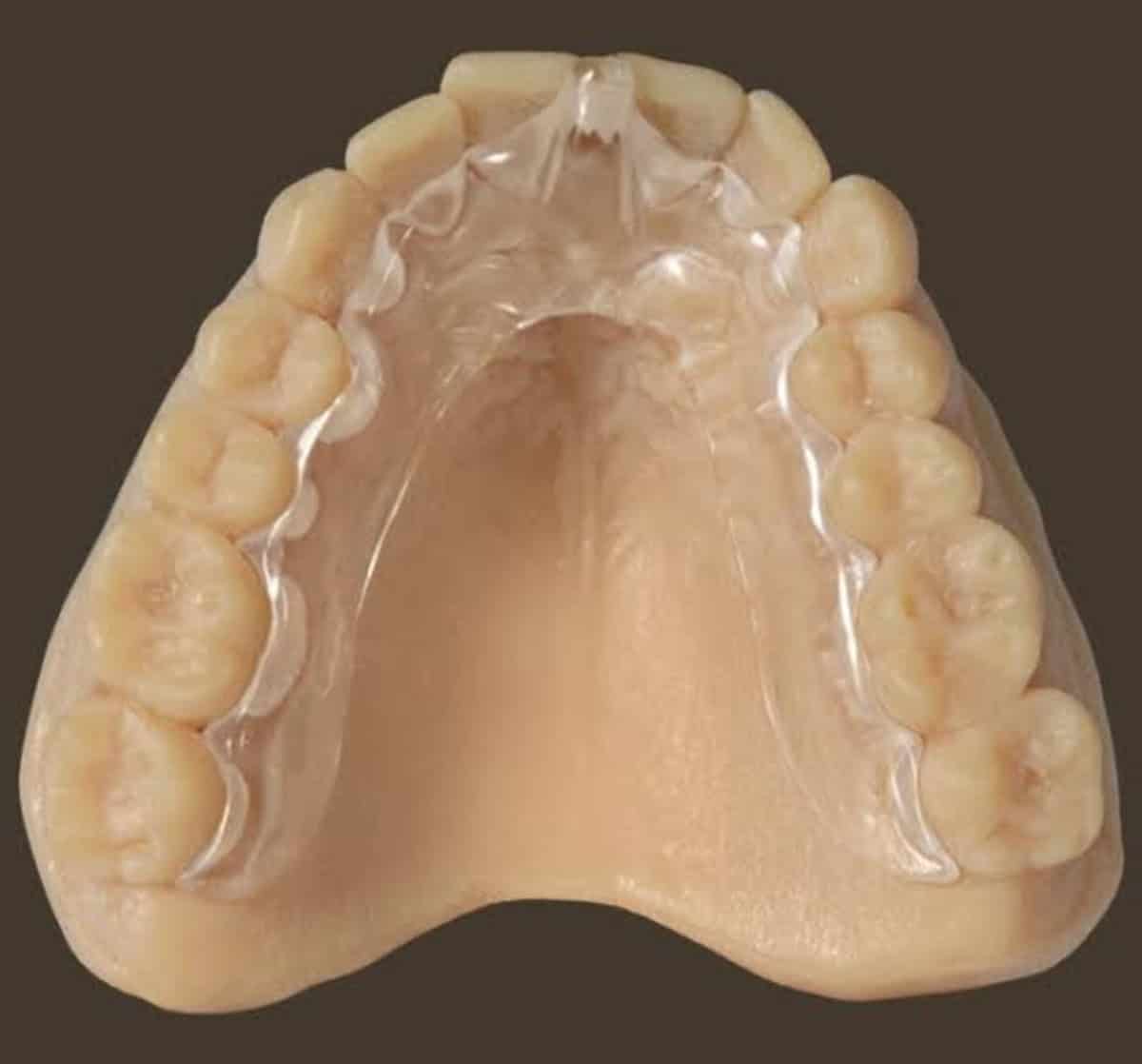
The device itself looks unremarkable, a small piece of acrylic worn on the upper teeth. What it does, though, is give your jaw muscles a chance to stop following a habit they have repeated thousands of times a day.
What Is a Kois Deprogrammer?
A Kois deprogrammer is a removable acrylic appliance, developed by Dr. John Kois, that covers the palate and includes a flat platform behind the upper front teeth. While you wear it, only one lower front tooth touches that platform. Your back teeth never meet.
That one change alters how your jaw muscles behave.
Teeth are not just chewing surfaces. They act as guides. Over years of use, your muscles learn an exact path into the bite and repeat it automatically. If your bite is uneven, the muscles compensate without you ever noticing. Remove the contact between the back teeth, and those muscles lose their reference point. Within days or weeks, they settle into a more relaxed, natural position.
Dentists call this deprogramming. It is not a treatment. It is information gathering.
How a Two-Week Bite Test Works
You wear the device as close to full time as possible, removing it only for meals and oral hygiene. Some people deprogram in a few days. Others take two to three weeks. The timeline depends on how long the muscle pattern has been in place and how tense those muscles were to begin with.
While wearing the appliance, each time you close your mouth, your lower front tooth makes a mark on the acrylic. Your dentist monitors these marks to see if they keep changing position or begin to settle in the same spot. Once the marks become consistent, it suggests that the jaw muscles have relaxed and are no longer following their usual learned pattern.
At that point, your dentist can compare two positions:
- Where your jaw sits when the muscles are relaxed
- Where your teeth force the jaw to sit when they come together
If those two positions do not match, the gap between them is called a bite discrepancy. A bite test for jaw pain exists to measure exactly that distance.
Why Jaw Muscle Pain and Headaches Are Connected
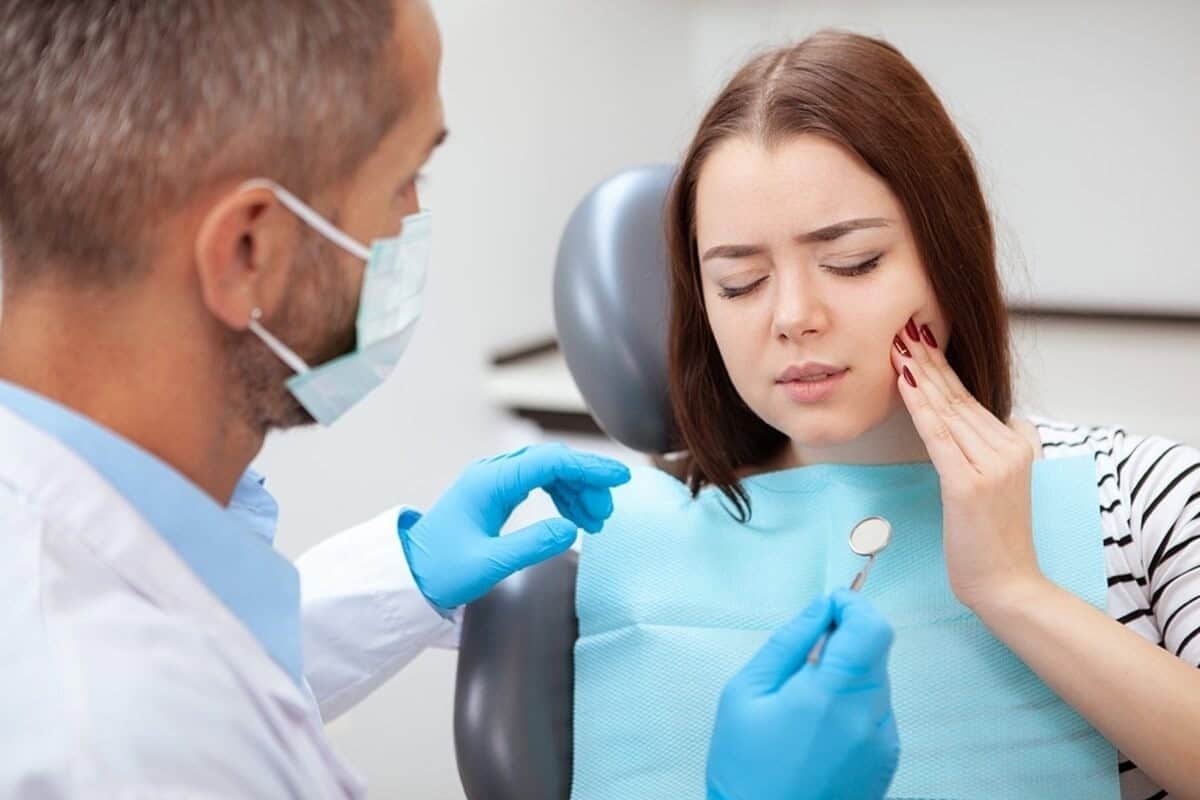
Clenching, grinding, and everyday tension can put extra strain on the jaw muscles. When your bite doesn’t line up with your jaw’s relaxed position, those muscles may have to work harder than they should.
This can lead to:
- Soreness in the cheeks or temples
- Morning headaches
- Jaw fatigue when talking or chewing
- Clicking or popping when opening your mouth
- Difficulty opening your mouth fully
- Tooth sensitivity without visible decay
These symptoms can have other causes, too. But if you often experience jaw muscle pain and headaches, it’s worth having your dentist check your bite.
Where It Fits Into a TMJ Bite Evaluation
A TMJ bite evaluation looks at how the jaw joints, muscles, and teeth work together. A Kois deprogrammer in Victoria may be used early in the evaluation to help relax the jaw muscles before the dentist takes bite records. This gives the dentist a better idea of how the jaw sits without the influence of привычных muscle habits or compensations that may have developed over time.
With a deprogrammed jaw, that record reflects the seated joint position instead. From there, the clinical picture becomes clearer:
- A small discrepancy with mild symptoms may need nothing more than monitoring
- A more significant difference may mean a nightguard, bite adjustment, or orthodontic treatment is worth considering.
- If the pain continues even after deprogramming, the problem may not be related to the bite.
This is important because deprogramming doesn’t just help identify bite-related issues. It can also help rule them out, saving patients from undergoing treatment that may not address the actual cause of their pain.
Bite Analysis Before Crowns or Veneers
There is a second reason this appliance shows up in general practice, and it has nothing to do with pain.
Crowns and veneers permanently change the shape of your biting surfaces. If your dentist designs those restorations around a bite your muscles have been compensating for, the new work inherits the same problem. Porcelain can chip. Margins can fail early. Comfort can suffer.
Bite analysis before crowns or veneers helps the dental team understand how the jaw naturally closes before starting treatment. Taking impressions, photos, and mounted models after deprogramming gives a clearer picture of the patient’s natural bite, rather than one influenced by years of muscle habits. For a single crown, this may mean a small adjustment. But when planning multiple veneers or a full-mouth restoration, getting the bite right from the start can make a big difference in how comfortable the restorations feel and how well they hold up over time.
What Wearing One Actually Feels Like
Most patients adapt within a day or two. A few things are worth knowing in advance:
- Your speech may feel slightly altered at first and usually settles quickly
- Saliva production often increases for the first few hours
- You take the appliance out for eating, so meals stay normal
- Your back teeth may feel like they no longer meet properly after removal, which is expected and temporary
- Regular check-ins let your dentist adjust the fit and track the marks
If persistent jaw tension has you looking for a dentist near you, ask whether a diagnostic phase like this comes before any restorative work begins.
Ready to Find Out What Is Behind the Tension?
Jaw pain and recurring headaches deserve a proper explanation rather than a guess. A short diagnostic phase can replace assumptions with measurements, and measurements make better treatment decisions possible.
Please book a consultation at Academy Dental to talk through your symptoms. Our team will help you find out whether this kind of assessment makes sense for your situation.
FAQ’s
Is a Kois deprogrammer the same as a nightguard?
No. A nightguard protects your teeth from grinding, while a deprogrammer helps relax the jaw muscles and assess your natural bite.
Does it hurt to wear it?
It shouldn’t. Mild soreness is possible during the first few days. If discomfort continues, your dentist may need to adjust it.
How long does deprogramming take?
Usually a few days to three weeks, depending on when the bite marks become consistent.
Will the results show that treatment is definitely needed?
Not necessarily. The results help your dentist decide whether treatment is needed based on your symptoms, bite, and overall dental health.