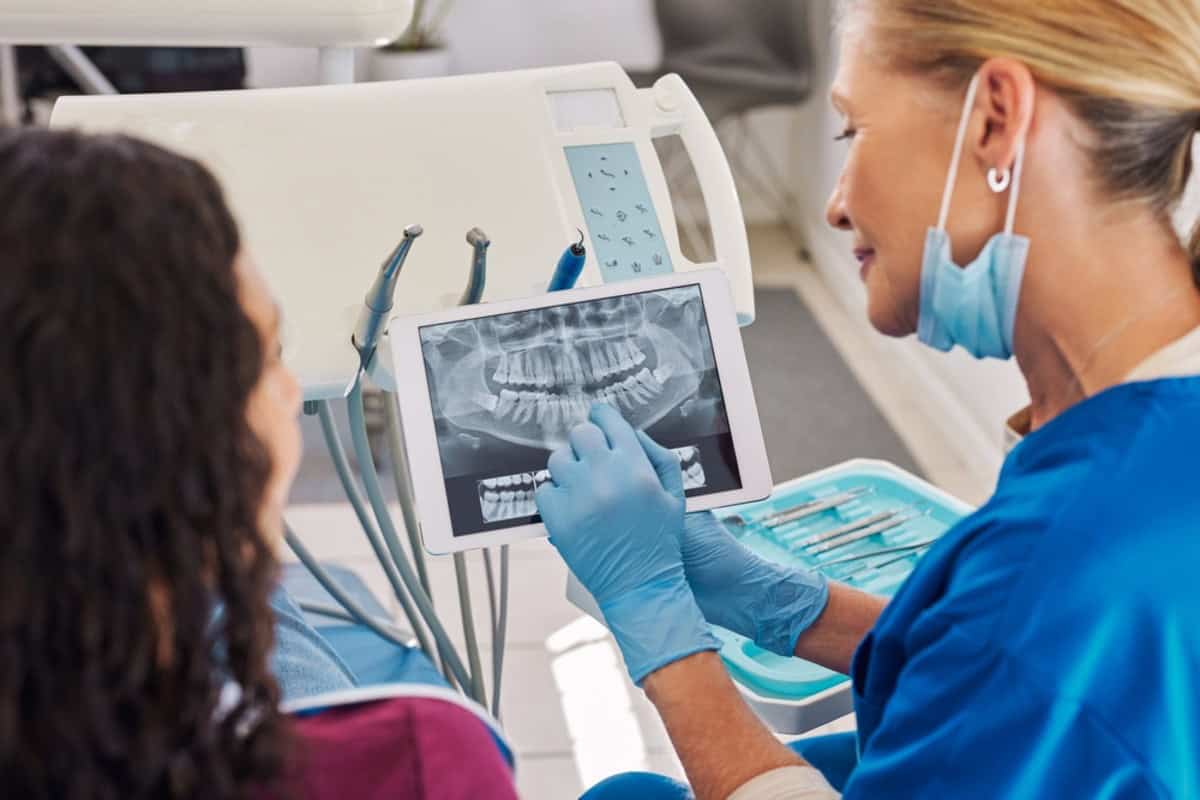
Dental visits can feel stressful if you worry about pain, dental tools, or sitting through a long appointment. Sleep dentistry offers ways to help you feel calmer during certain dental treatments. At a dental clinic in Victoria, the dentist can discuss your concerns and explain whether sedation may be suitable for your needs. The type of sedation used depends on your health, the treatment planned, and how anxious you feel.
Despite its name, sleep dentistry does not always mean being fully asleep. Some methods help you relax while staying awake, while general anaesthesia makes you fully unconscious and requires a different level of care. Knowing what happens before, during, and after treatment can help you feel more prepared and understand what to expect.
What Is Sleep Dentistry?
Sleep dentistry refers to dental care provided under the influence of medication that helps reduce fear, anxiety, or discomfort. The term is often used for sedation dentistry, although not every method causes sleep.
Common options include:
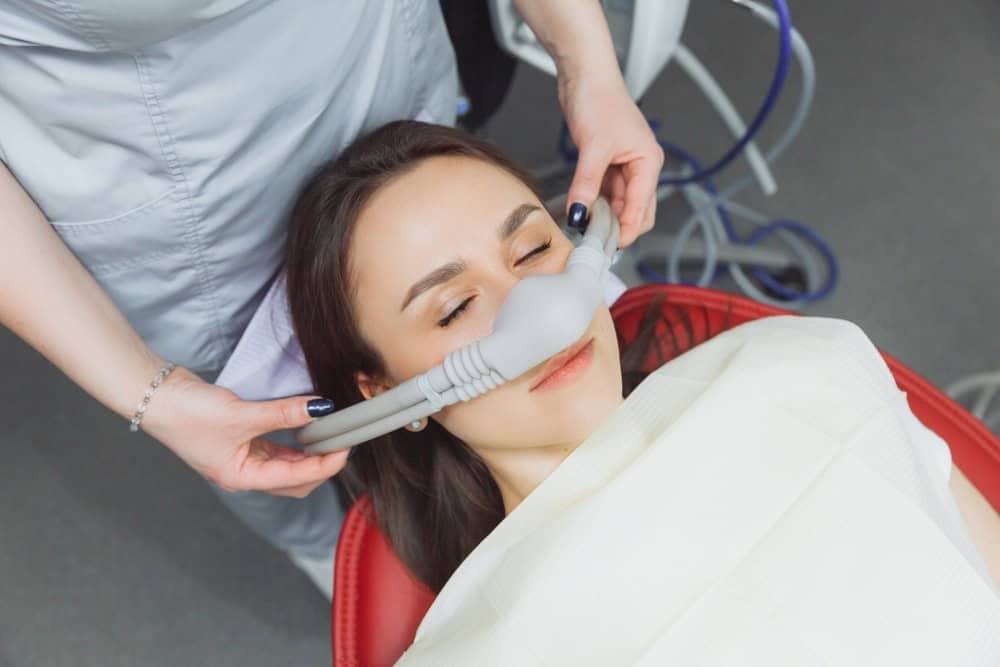
- Nitrous oxide: A gas breathed through a small mask that can help you relax. Its effects usually wear off quickly after the gas is stopped.
- Oral sedation: Medicine taken by mouth before treatment to reduce anxiety. It may cause drowsiness and can affect the memory of the visit.
- IV sedation: Medicine given through a vein to create a deeper level of relaxation. It requires careful monitoring.
- General anaesthesia: Medicine that makes you fully unconscious. It is used for selected cases and requires specialised monitoring and support.
Not every option is available for every patient or procedure. The dentist will explain which method is appropriate.
What to Expect Before Treatment
Understanding sleep dentistry and what to expect begins with a review of your health and dental needs. Before recommending sedation, the dental team will ask about your medical history, current medicines, allergies, and past experiences with sedation or anaesthesia.
You may be given instructions about eating, drinking, and taking your usual medicines. These instructions depend on the sedation method, so follow the directions provided by the dental team.
Before your appointment, ask about:
- Which type of sedation will be used?
- Whether you need someone to take you home.
- How long will the appointment last?
- What you should do if you feel unwell before treatment.
A dental clinic in Victoria can explain the preparation needed for your planned visit.
What Happens During a Sleep Dentistry Appointment?
The process depends on the type of sedation and the dental work being done. With nitrous oxide, you breathe through a small mask and may begin to feel relaxed within minutes. You usually remain awake and can respond to instructions.
Oral or IV sedation may make you feel drowsy and less aware of what is happening. You may still be awake, depending on the medicine and dose. General anaesthesia is different because you are unconscious during treatment.
During sedation, the dental team monitors you according to the level of sedation used. This may include checking your breathing, oxygen level, heart rate, and blood pressure.
Sedation helps manage anxiety, but it does not always remove pain on its own. A local anaesthetic may still be needed to numb the area being treated.
How Will You Feel After Sleep Dentistry?
Recovery varies based on the medicine used. After nitrous oxide, the effects often wear off quickly once you breathe normal air and the gas is stopped. Other types of sedation can cause drowsiness, slower reaction times, or temporary memory changes lasting several hours.
Follow the instructions given after treatment. Depending on the sedation method, you may need someone to accompany you home and stay with you for a period. Do not drive, drink alcohol, operate machinery, or make important decisions until the dental team confirms it is safe.
Sleep dentistry in Victoria may help make treatment easier to manage, but proper preparation and recovery instructions remain important.
Who May Benefit from Sleep Dentistry?
Sleep dentistry may be considered if you:
- Feel strong anxiety about dental treatment.
- Have difficulty staying comfortable during longer appointments.
- Have a strong gag reflex that makes treatment difficult.
- Need several treatments and find dental visits overwhelming.
- Have had difficult dental experiences in the past.
Sedation is not suitable for everyone. Certain health conditions, medicines, and breathing problems may affect which options are safe. A proper assessment helps the dental team choose an approach that fits your needs.
Take a More Comfortable Step Toward Dental Care!
Dental treatment can feel more manageable when your concerns are heard, and your options are clearly explained. Academy Dental can discuss your needs, review suitable care options, and help you prepare for your appointment. Book a visit to talk through your concerns and find a treatment plan that supports your comfort and dental health.
FAQs
Will I be completely asleep during sleep dentistry?
Not always. Nitrous oxide and many forms of oral or IV sedation help you relax, but you may remain awake. General anaesthesia makes you unconscious.
Can you feel pain during sleep dentistry?
Sedation can reduce anxiety, but local anaesthetic is often used to prevent pain during dental treatment. The approach depends on the procedure and sedation method.
Will you remember the dental appointment?
You may remember some or most of the visit, depending on the medicine used. Some sedatives can reduce memory of the procedure, but this is not guaranteed.
Can you go home alone after sedation?
That depends on the method used. After oral sedation, IV sedation, or general anaesthesia, an adult may need to take you home. Follow the dental team’s instructions.