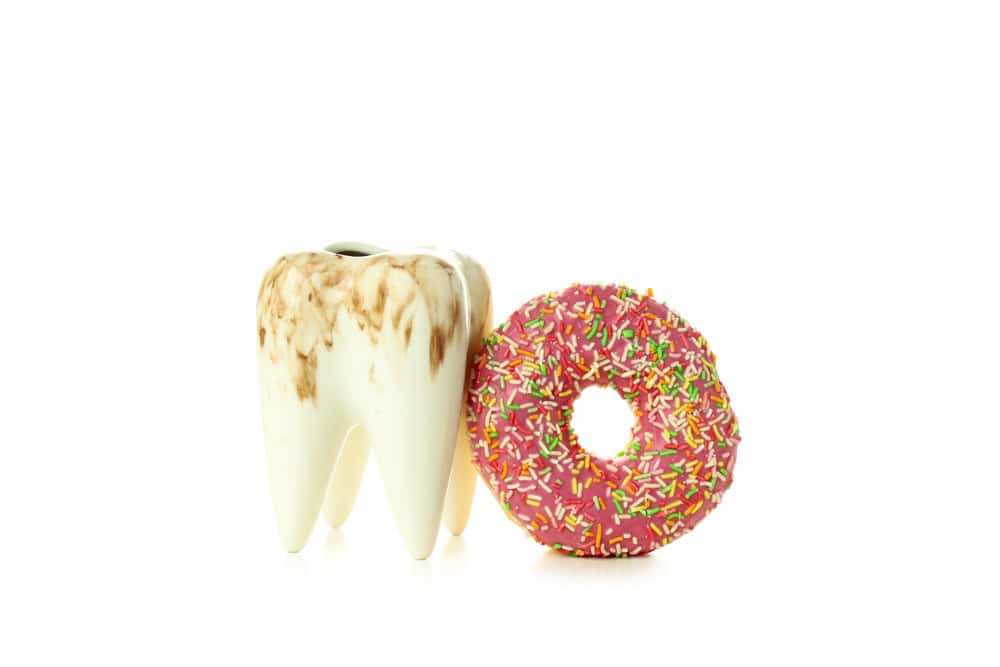
Nothing could be better than a bright smile to leave a lasting impression—however, your everyday foods and drinks may be gradually dulling that shine without you realizing it. Stains can infiltrate slowly, thus your teeth can change from white to yellow or brown gradually. Being aware of the foods and habits you need to be careful with will definitely help you to have a cleaner and more confident smile.
Why Tooth Stains Happen
The outer layer of your tooth, called the enamel, looks smooth but is not, as it contains pores. When dark-coloured foods or drinks are ingested, pigments known as chromogens stick to the surfaces and affect their colour. This leads to stains on the surface over time, which isn’t removed by brushing regularly.
A dentist in Victoria can assess whether you have surface stains (extrinsic) or deep stains (intrinsic) and advise you on the best treatments for restoring the natural whiteness of your teeth.
Common Foods and Drinks That Cause Stains
Some regular choices of food and drinks are more likely to stain your teeth than others. Be careful with these offenders:
Coffee and tea: Tannin is one of the components of both, which is the main reason for yellow or brown stains.
Red wine: Besides being very rich in colour pigments, it has acids that cling to enamel.
Cola and sports drinks: They are acidic and full of dyes that enamel is gradually worn from.
Spaghetti sauce and curry: Because of their strong colours and acidity, staining is increased.
Berries and fruit juices: Good for you, but loaded with natural pigments.
If you already have dental crowns near you, stains can appear uneven because porcelain materials resist discolouration differently than natural teeth. That’s why proper care and consistent cleaning matter.
How to Prevent Tooth Stains
Periodic dental cleanings along with conscious eating habits can go a long way in keeping the teeth bright. If the discolouration is deep or the enamel is compromised, a high-tech procedure like a same-day inlay/onlay crown using CERECtechnology can not only make the tooth look like new but also make it strong again in just one visit, a perfect blend of ease and durability.
Simple Ways to Prevent Tooth Staining:
To prevent teeth stains, you don’t have to cut down on what you eat. You just need to mind the habits. Try these easy tips.
Always try to drink through a straw to limit tooth contact.
Use water to rinse your mouth after consuming dark-coloured drinks.
Brush after 30 minutes to remove surface pigments safely.
Crunchy fruits and veggies include apples and carrots, which help to clean enamel naturally.
Have a professional clean your carpet biannually to avoid stains.
Can CEREC Dental Crowns Help with Discoloured Teeth?
Dental crowns can help your teeth get their white and natural look back when they are damaged. With a same-day CEREC crown, you won’t have to come back for multiple visits to our office to brighten your smile.
Modern technology, like digital scanning for CEREC restorations and CEREC milling systems, ensures your crowns match perfectly in colour and shape. This process avoids messy impressions and long wait times. Many patients love the benefits of CEREC one-appointment restorations, which include precision, comfort, and immediate results.
If you’re wondering how crowns can help improve both function and appearance, your dentist near youcan help with the step-by-step explanation of the CEREC crown process.
Don’t Let Stains Steal Your Shine — Book Your Visit Today!
Would you love for your teeth to look sparkling white every day? Book an appointment at Academy Dental today. With our compassionate care and advanced technology, we ensure your smile stays healthy, bright, and absolutely gorgeous.
FAQs
Can teeth stains be removed naturally?
A clean will remove any deep stains on the teeth but slight discolouration can go away with a whitening toothpaste.
Do dental crowns get stained over time?
Porcelain crowns may not stain as easily as natural teeth but they still require cleaning.
What foods should I avoid right after whitening or crown treatment?
To maintain balance in your skin colour, do not drink coffee, tea, wine and cola for 48 hours.
Can same-day crowns match my natural tooth shade?
Yes, CEREC technology can match the shade exactly with your teeth.
Getting dental implants is one of the best ways to replace missing teeth. They look and feel and function just like real teeth. Before getting them placed, many patients ask, “Do dental implants hurt?” The answer is no. Or, at least, not as much as you think. Thanks to modern-day dental technology and care, the procedure of getting dental implants near you is quick and comfortable.
Let us break down what happens at each step of the procedure, what to expect afterwards, and how to get through any mild discomfort if experienced.
What Are Dental Implants?
Dental implants are small titanium screws that are attached to your jawbone to replace missing tooth roots. After your implants heal, a crown (artificial tooth) will be attached on top of your implant to restore function and aesthetics to your smile.
What’s great about dental implants?
Many times, they can feel and function like your real teeth.
If cared for properly, they can last for many, many years.
They’ll assist you better while chewing and speaking.
They’ll help to prevent bone loss and provide structural support for your face.
Do Dental Implants Hurt During the Procedure?
Pain during surgery is a common concern for most folks. The good news is you will not feel pain during the procedure.
Here is why:
You will be given a local anesthetic to fully numb the entire area.
You might feel some pressure or a vibration, but there shouldn’t be any real pain sensations.
If a patient is anxious, there may be some ‘sedation’ options (i.e., oral or IV sedation) available to help the patient relax.
Most patients report that getting an implant is actually quite comparable to getting a tooth extraction.
What Happens After the Dental Implant is Done?
When anesthesia has worn off, you may feel some tenderness or swelling. This is normal. This is the body’s natural response to a surgical procedure. Here’s what you might expect:
There may be some mild soreness in the area surrounding the implant.
The gums and possibly even your face may appear slightly swollen (this is usually just for the next few days).
The surgical area may be a little tender when chewing or brushing your teeth.
In 3–7 days, most of these symptoms should improve significantly, and by the end of the week, most patients feel completely normal!
What Can I Do for Discomfort After Dental Implants?
No need to worry about recovery—for most people, it is fairly simple.
1. Take your pain medications as prescribed/advised.
A dentist in Victoriawould likely have prescribed or stated that you can take over-the-counter medication. Simply take it as recommended.
2. Ice pack
Be sure to hold an ice pack on your cheek for 10–15 minutes during the first 24 hours; this will help the swelling and will probably numb any slight pain from the procedure.
3. Soft diet
Stick to liquids and soft foods for just a few days. Yogurt, smoothies, mashed potatoes, and soup are good options to follow for approximately 3-7 days. Avoid hard, spicy, and sticky food types, all of which may cause some irritation to the implant area.
4. Maintain Oral Hygiene
After 24 hours, you may gently rinse with warm salt water. This helps to soothe the gums and keeps the area as clean as possible. Brush the other teeth normally, but avoid the implant site for the first few days.
5. Rest Well
In the first 48 hours, avoid heavy exercise. Rest helps your body heal faster and limits the chance of complications.
How Severe will the Discomfort Be?
Most people experience only mild discomfort for a few days.
The discomfort should start to decrease after the third or fourth day.
After one week, your mouth will feel normal again.
If after two weeks, you notice persistent pain, swelling, or bleeding, please visit a dentist near you and make a follow-up appointment. They will confirm whether you are healing and if everything is okay.
Why Dental Implants Are Worth It Despite the Discomfort
Even if you experience a little discomfort, getting a dental implant is worth it. A dental implant is a long-term investment in your smile and oral health.
Here are the reasons why they’re worth it:
They look and feel like a normal tooth.
Rinse with salt water.
They do not slip like dentures.
Help you chew all types of foods comfortably.
Protect the jawbone and gums.
And they will last for decades if you provide good care.
Once fully healed, dental implants are pain-free and easy to manage, such as by brushing and flossing regularly!
Final Thoughts: Enjoy Pain-Free Dental Implants with Academy Dental
Dental implants can be easy, not painful or scary. With gentle techniques, modern technology, and help from a trained expert, you will be surprised how easy it feels afterward. At Academy Dental, our dentist will help ensure that each step of the journey feels safe and comfortable, regardless of the number of teeth you are missing.
If you want to have dental implants done, visit Academy Dental in Victoria, where the patients and their care always come first.
Contact us today at Academy Dental and take your first step to having a confident, pain-free smile!


Recent Comments